1. Starting point: from caves to early man-made structures
Ancient humans relied on natural caves to shelter from the wind and rain, but the cave space was limited and the location was fixed, which could not meet the needs of group expansion.About 10,000 years ago, humans in the Neolithic period began to use wood, soil and stone to build simple dwellings (such as semi-underground houses), but these materials were low in strength and perishable, and the building height generally did not exceed 2 floors.

2.Turning point: The Industrial Revolution and the rise of Steel
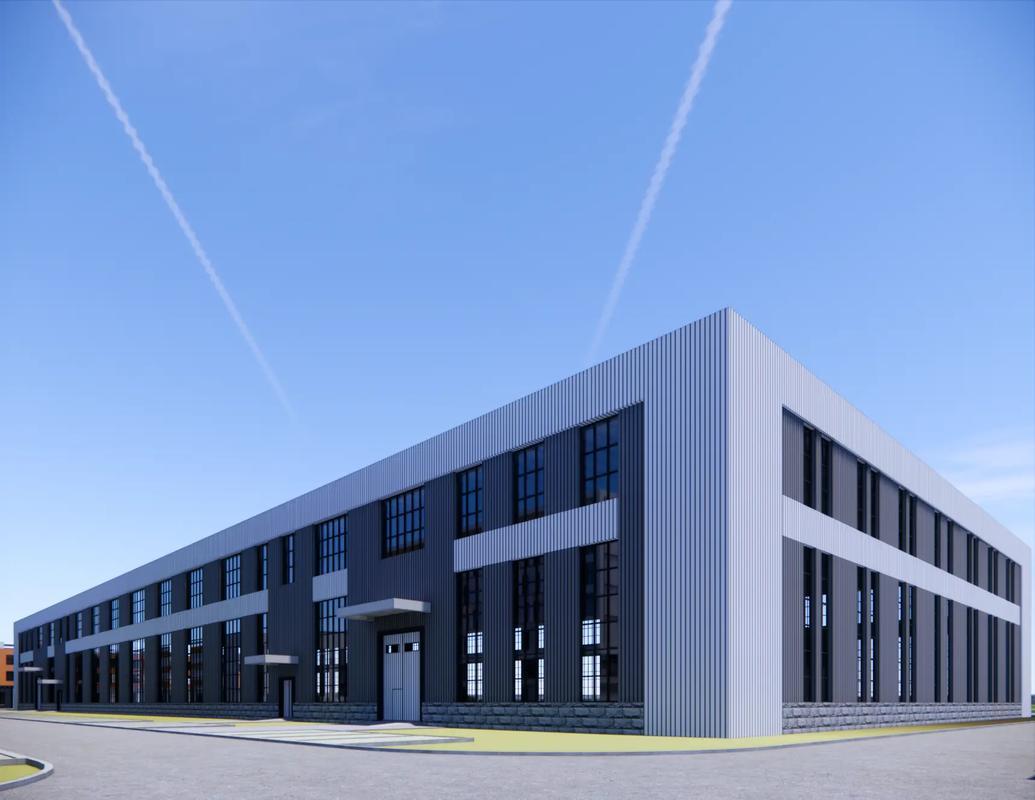
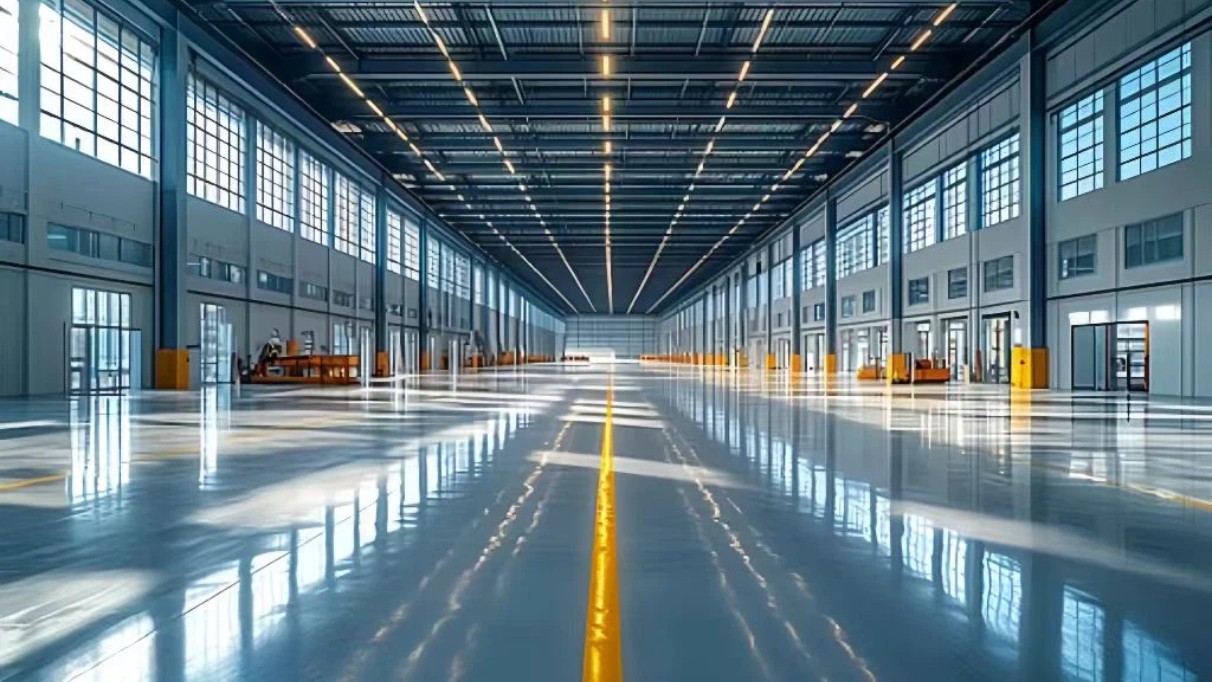
After the industrial revolution in the 19th century, steel structures came into being.Its high-strength, light weight and rapid construction characteristics have made it quickly become an important material for modern architecture, promoting the development of high-rise and long-span buildings.
From the middle of the 20th century to the present, steel structures have continued to iterate, promoting a new era of super high-rise buildings.:Material upgrade: The application of high-strength low-alloy steel (HSLA) and refractory steel makes the building taller and safer.For example, the steel-concrete mixed structure of the Burj Khalifa (828 meters, 2010) in Dubai uses more than 39,000 tons of steel.
Green transformation: steel can be 100% recycled (the global recycling rate exceeds 85%), and modern steel structures reduce carbon emissions through modular design.The Mjøstårnet wood-steel hybrid tower (85.4 meters) in Norway, which will be completed in 2023, explores a new path of low-carbon high-rise buildings.
Intelligent integration: BIM technology optimizes the accuracy of steel components; sensors are embedded in steel frames to achieve real-time structural health monitoring.